Teaching Philosophy
I believe that young musicians and all learners thrive in creative environments that embrace individuality. I cultivate a supportive, compassionate community that motivates students to excel and build resilience. I perceive myself as an ocean—vast enough to accommodate all life forms. While aware of my influence, I provide students with the freedom to express themselves authentically. Some follow currents, moving swiftly and embracing novel experiences. Others delve deeply, patiently reflecting and exploring. No matter where the students choose to go, the ocean accompanies them and guides them with its waves. My role is to nurture students’ curiosity and help them discover and develop their artistic personalities, and my goal is to guide them toward becoming effective communicators of music.
My philosophy is inspired by my recovery process from a hand injury that halted my performing career. I spent months away from the piano. Through intensive score study, I developed a deeper musical understanding and felt an urgent need to express and share music. I discovered that teaching offered me an artistic outlet equally fulfilling as performing—a space where I could communicate music in ways not possible in the concert hall. Furthermore, I found myself in a community brimming with warmth and compassion, and I realized that music transcends the stage. It has the power to unite people and build communities. This profound understanding has shaped my approach to teaching students from diverse cultural backgrounds and varying levels of experience. Whether they are aspiring musicians pursuing a professional career or simply exploring music for personal enrichment, I believe that music education is a personal form of performance that communicates and fosters experience in fundamental and philosophical ways.
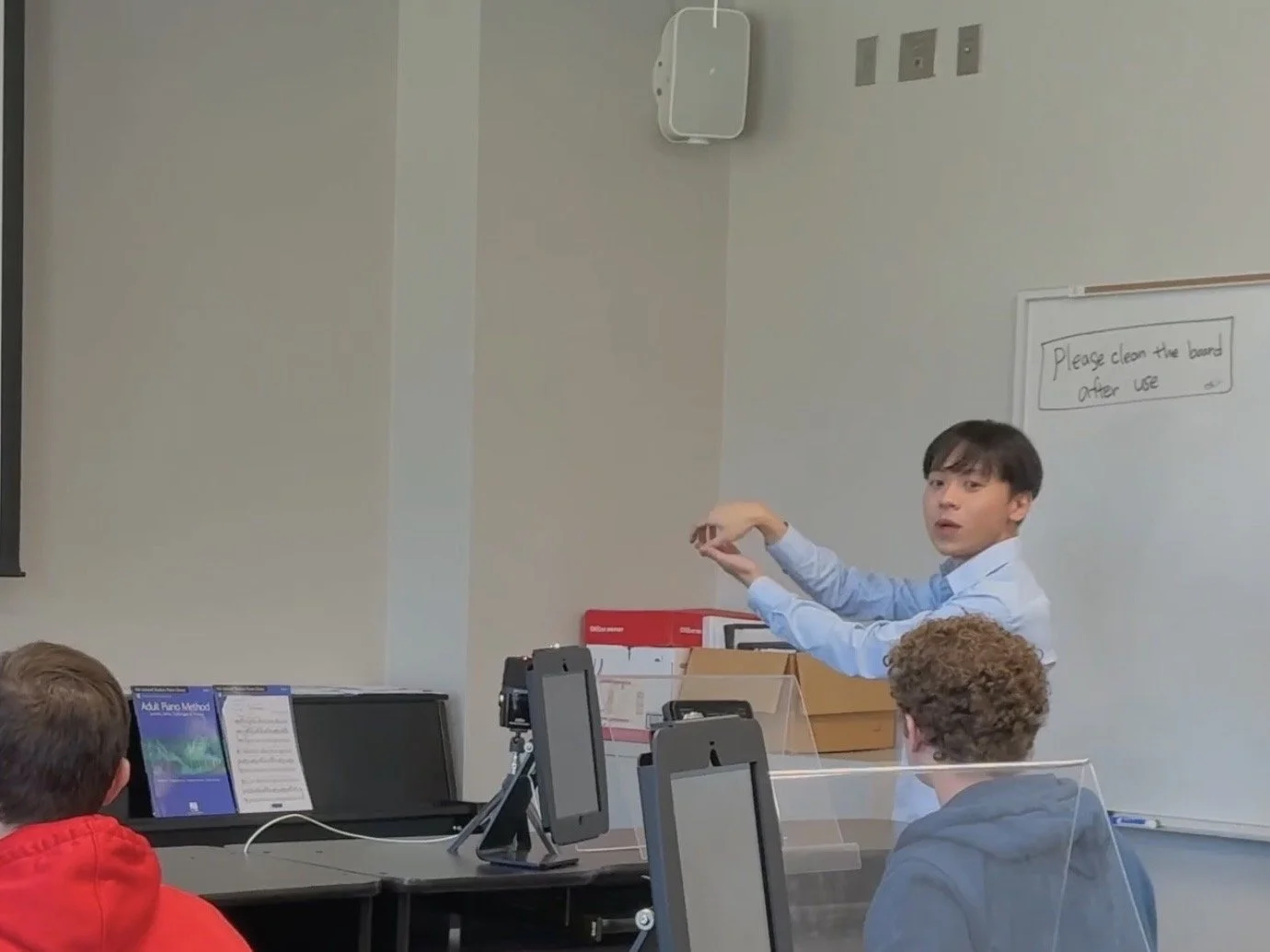
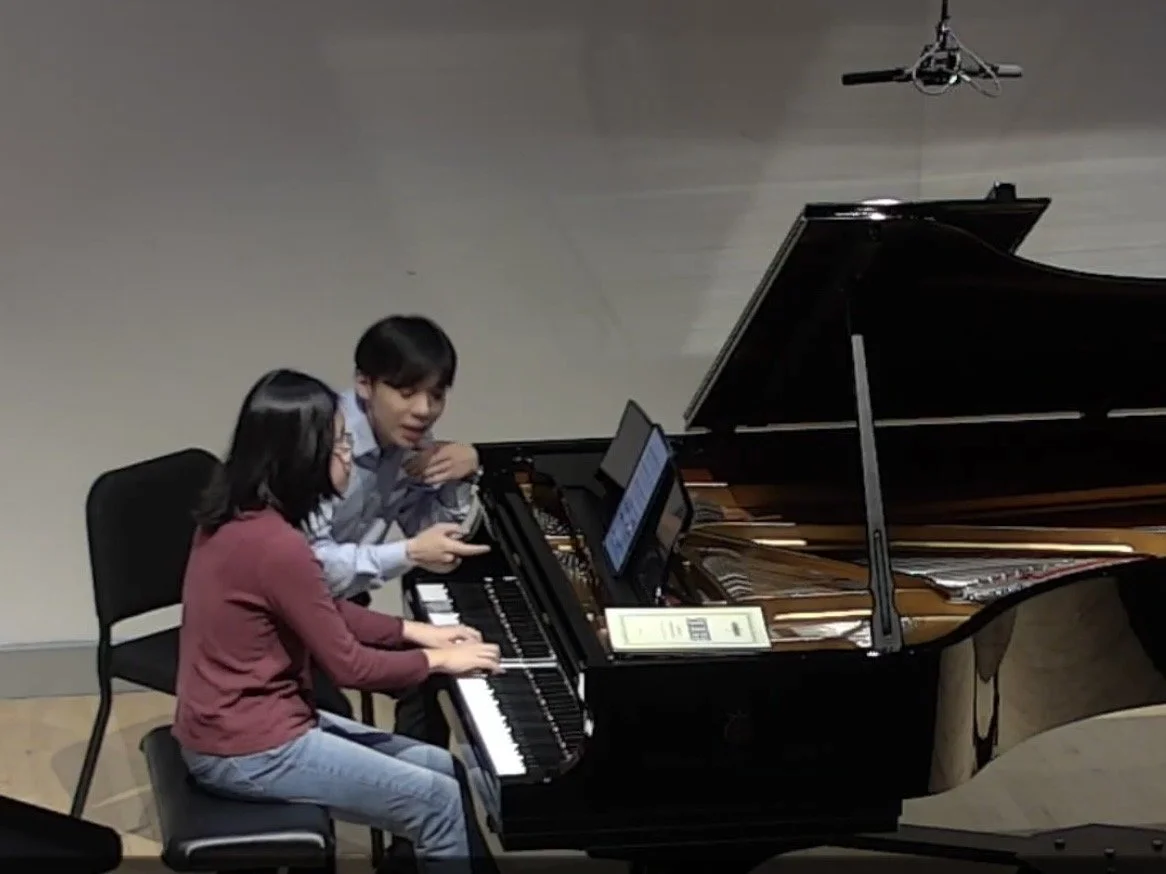
In every lesson, I strive to help students reach their artistic potential by developing their expressive abilities, musical understanding, and technique—empowering them to become independent artists with their own distinguished voice. I work to nurture students’ innate expressive abilities, encouraging them to engage with music and view performance as communication. In teaching musical understanding, I believe that interpretation should stem not only from natural expressive instincts but also from a genuine understanding of the score. Rather than imposing my own interpretations, I help students discover what the score itself reveals—exposing them to diverse musical styles and compositional languages, teaching them to discern each composer’s unique voice through careful attention to markings, harmonic language, and structural choices. In teaching technique, my approach is rooted in understanding the physiological foundations of piano playing. Rebuilding my own technique after injury taught me to dissect complex motions into manageable components and to recognize that each student’s hands require different solutions. I am skilled at analyzing students’ technical problems and customizing my teaching language for each student, understanding that everyone learns differently. I also design repertoire plans that progressively address technical challenges in preparation for advanced works.
Above all, I cherish my interactions with young musicians and students because they inspire my creativity, expand my perspective, and, most importantly, represent the future of music.